
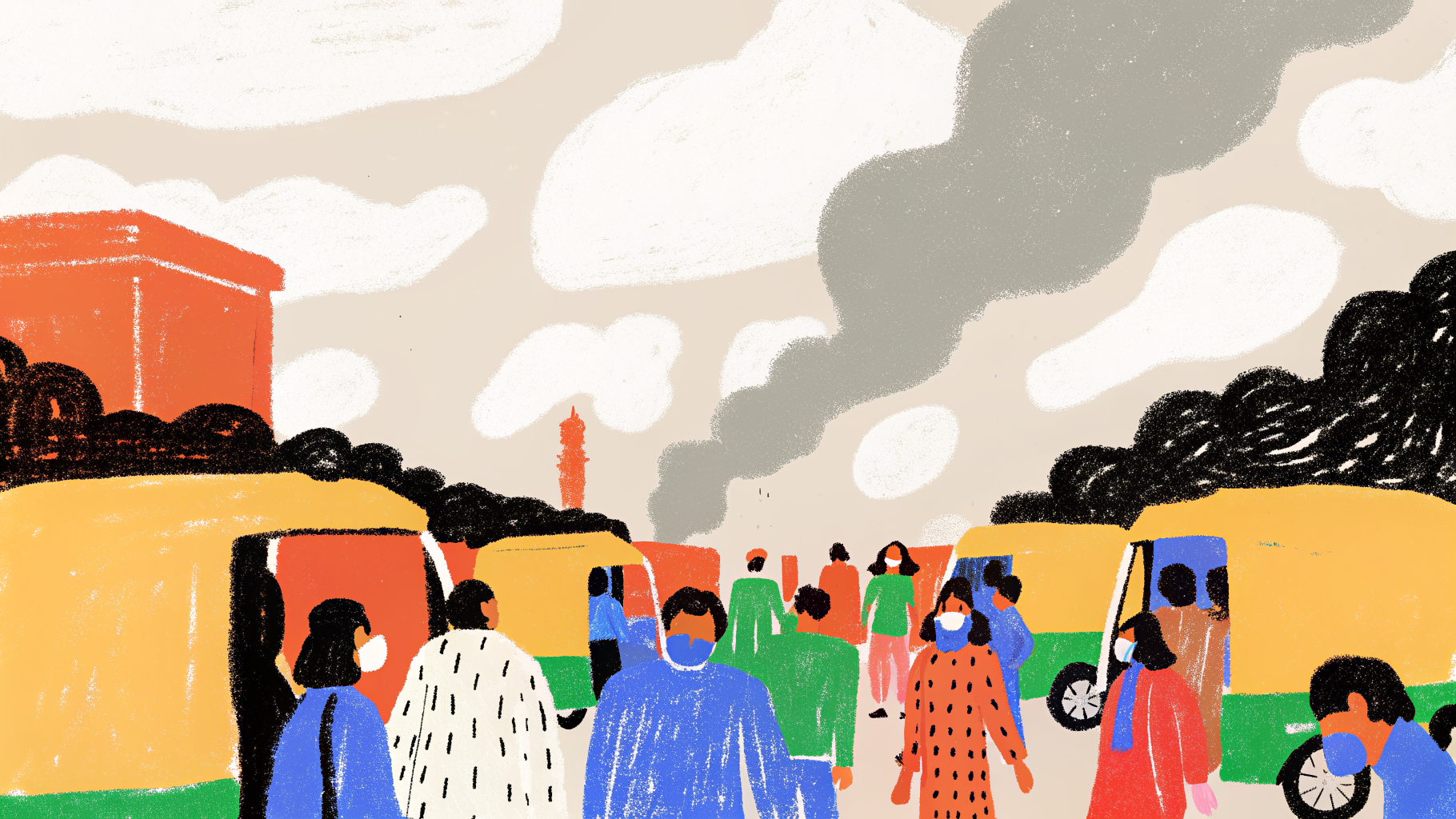
Delhi records its lowest October AQI in eight years
Weather and temporary controls may be masking persistent winter pollution sources
Overview
Delhi’s average was 166 in October 2026, the city’s lowest October reading since 2018. The month was far better than October averages of 223 in 2025, 234 in 2024, 219 in 2023, 210 in 2022, 173 in 2021, 265 in 2020, 234 in 2019 and 269 in 2018. From January through October, the average was 167, with 220 and 84 , but the improvement is not yet a clean-air verdict.
Rain and favourable winds likely dispersed pollution and delayed its buildup, alongside possible effects from controls on traffic, construction and other emissions. Yet local sources, including vehicles, dust, industry, waste burning and construction, remain significant, while crop-burning smoke can worsen conditions as winter approaches. began on October 21 after rose from 179 to 244, and stronger stages may follow if Poor air persists. The winter plan includes vehicle limits, construction controls and work-from-home provisions. Children, older adults and people with respiratory or heart conditions remain most at risk.
Timeline
Delhi’s winter air would test whether October’s improvement was temporary
October’s lower coincided with heavy rainfall and favourable conditions, while later deterioration led to renewed pollution controls, including construction restrictions and work-from-home measures.
Winter pollution controls expanded restrictions on construction and office attendance
authorities introduced restrictions on dust-generating demolition and outdoor construction and mandated work from home for some employees, alongside existing vehicle and pollution-control measures.
Delhi’s January-to-October record remained better than most recent years despite October pollution episodes
The ministry recorded 167 as Delhi’s average for January through October 2026. The city had 220 Good-to-Moderate days against 84 Poor-to-Severe+ days, while the comparable full-period averages were 170 in 2025, 184 in 2024, 172 in 2023, 187 in 2022, 179 in 2021, 156 in 2020, 192 in 2019 and 201 in 2018. The data showed broad improvement, but 2020 remained an exceptional low-pollution comparison year.
The Union Environment Ministry reported Delhi’s lowest October average AQI in eight years
The ministry reported an October average AQI of 166, compared with 223 in 2025, 234 in 2024, 219 in 2023, 210 in 2022, 173 in 2021, 265 in 2020, 234 in 2019 and 269 in 2018. The result was the lowest October average in the ministry’s comparison series since 2018. It described a monthly average, not uniformly healthy air, with reported October PM2.5 and concentrations still above .
Experts identified local emissions as a larger October driver than farm fires alone
Analyses covering September and October said Delhi’s air quality was influenced more by local, non-agricultural sources than by alone. Those sources included vehicle exhaust, construction and road dust, industrial activity, power generation, household emissions and open waste burning. One assessment estimated contributed about 4% of Delhi’s on a reported October day, while its effect varied with wind and transport conditions.
Authorities activated Stage I GRAP after Delhi’s AQI rose from 179 to 244
The invoked Stage I of the across the after Delhi’s AQI moved from 179 to 244. Forecasts indicated that air quality would remain in the Poor category, prompting restrictions and enforcement measures under the first response stage. The decision marked the first formal escalation of the winter pollution-control system in the season.
Delhi’s pollution began rising as seasonal emissions and weaker dispersion returned
As October progressed, traffic, road dust, construction, industry, household emissions and remained important pollution sources. Smoke from farm fires could reach Delhi when wind direction and atmospheric conditions supported transport, although reported fire activity in Punjab and Haryana was lower than in the previous year. The deterioration showed that a lower monthly average did not mean consistently clean air.
Rainfall and atmospheric conditions contributed to Delhi’s unusually low October AQI
Heavy October rainfall and favourable wind conditions temporarily improved Delhi’s air quality, although pollution later worsened and the lower monthly average does not establish a structural improvement.
Delhi began 2026 with a lower average AQI and more Good-to-Moderate days
Delhi’s average from January through October was 167, compared with 170 in 2025, 184 in 2024, 172 in 2023, 187 in 2022, 179 in 2021, 156 in 2020, 192 in 2019 and 201 in 2018. The city recorded 220 days and 84 days, the highest number of days since 2018 except for 2020. The figures established a better baseline before winter pollution intensified.