
India
Delhi Police Detain Hundreds In Voter-Roll Protest
Election officials now face pressure to restore trust in roll revisions.
Election officials now face pressure to restore trust in roll revisions.
Delhi’s voter-list fight has spilled into the streets over who gets to vote and who should be blamed for mistakes. The dispute started with a special cleanup of the voter roll that critics say removed too many names, and they fear some people who should have stayed on the list were left out. Opposition leaders and student groups blame the election body for weak checks and want its chief to resign, while the commission says missing voters can still be added through the normal enrolment process.
The detentions in Delhi show how far the row has moved beyond paperwork. For many people, the risk is simple: if their name is missing, they may be turned away at the polling booth unless they act in time. The commission’s new enrolment drive may bring some voters back, but the protests show deep distrust over whether the process is fair and whether official fixes will come fast enough.
The protest, detentions, and enrolment drive together pushed the story into a new phase of institutional conflict. One side was demanding a and , while the was trying to show that could be restored through existing processes. The central unresolved question became how to protect without wrongly excluding eligible voters.
Organizers and opposition leaders framed the detentions as an effort to suppress rather than manage public order. They argued that the police response showed the state was blocking legitimate criticism of the . The immediate reaction intensified the dispute between protesters and .
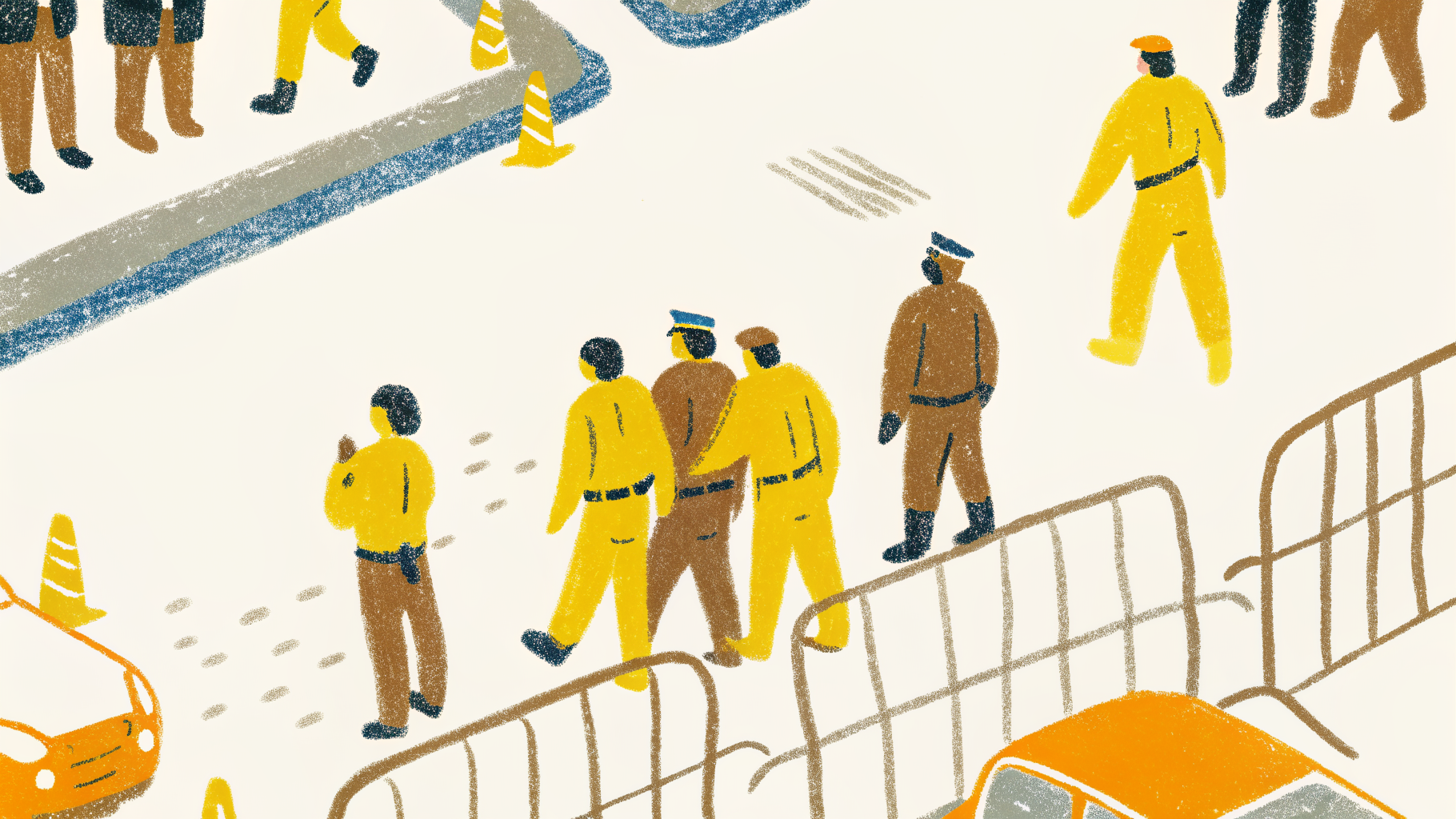
detained more than 500 protesters, with some reports placing the number above 700. Those detained included leaders, former Delhi chief minister , and student activists from groups such as and . The scale of detentions turned the protest into a broader confrontation over crowd control and dissent.
Hundreds of demonstrators gathered in Delhi to demand that Gyanesh Kumar resign. They linked the protest to alleged irregularities in the and to what they called . The rally tied the administrative dispute directly to protest rights and .
Before the protest unfolded, police and security forces moved in large numbers around and nearby areas. Reports described , measures, and a major deployment aimed at containing the gathering. The response signaled that authorities expected a large and politically charged demonstration.
Opposition parties, student groups, and gathered in Delhi to protest the Election Commission and the revision process. The demonstration was built around demands for the ’s resignation and a halt to the . The protest reflected the accumulation of earlier complaints over deletions and roll management.
The Election Commission directed officials in the 20 states and where SIR had been completed to run a special drive for voters left out of the rolls. The Commission said voter enrolment is a and that eligible people whose names were can apply at any time. The move was a direct institutional response to criticism over exclusions.
The special enrolment order also covered left-out, first-time, and young electors. That widened the Commission’s response from restoring deleted names to actively adding eligible new voters. The move highlighted the tension between , exclusion risk, and after .
The Commission said eligible electors found during the drive would be enrolled through Form 6. Officials were instructed to conduct house-to-house verification and use continuous updation to restore valid voters. This made the corrective process part of ordinary election administration rather than a one-off fix.
Under the special drive, Booth Level Officers were told to compare current rolls with pre-SIR rolls and prepare booth-wise lists of missing electors. They were also asked to visit homes and verify the present status of those voters. The workflow was designed to identify who had been dropped and should be restored through the standard enrolment process.
As draft rolls emerged from the revision process, reports said about 13 crore names had been removed across 30 states and Union territories. The scale of deletions turned a technical roll revision into a major political and institutional controversy. Delhi was reported to account for the highest number of deletions.
Opposition parties and civil society voices raised alarms that the revision process was opaque and could wrongly exclude eligible voters. The dispute shifted from administrative procedure to a broader argument over electoral fairness and accountability. Concerns focused on how deleted names would be restored and how voters could prove eligibility.
As complaints about deletions mounted, Chief Election Commissioner Gyanesh Kumar came under sustained fire from opposition groups and activists. Calls grew for institutional accountability over the conduct of the revision exercise and the handling of rolls. The issue increasingly centered on the Commission itself rather than only on state-level administration.
The Election Commission began the Special Intensive Revision of electoral rolls, presenting it as a large cleanup of voter lists. The exercise later became the center of disputes over verification, deletions, and exclusion risk. Critics said the process was unusually aggressive, while the Commission treated it as part of roll maintenance and correction.