
Politics
Delhi Police blocks CJP Chalo Sansad march under new BNSS
What powers does the new law grant police to ban assemblies of five or more?
What powers does the new law grant police to ban assemblies of five or more?
Delhi Police’s use of Section 163 of the new Bharatiya Nagarik Suraksha Sanhita to block the Cockroach Janta Party’s Parliament march marks the first active enforcement of this law’s prohibitory powers, replacing the old . The ban reflects heightened security tensions ahead of the and underscores the state’s tightening control over unauthorized protests, especially those demanding accountability for . By restricting assemblies of five or more outside , authorities signal a shift toward stricter preemptive measures to maintain public order near legislative hubs.
This enforcement marks a significant early application of BNSS Section 163 in managing public assemblies, signaling how the new law will shape protest dynamics near sensitive government sites. The provision empowers to issue immediate orders to prevent threats to safety, replacing the older .
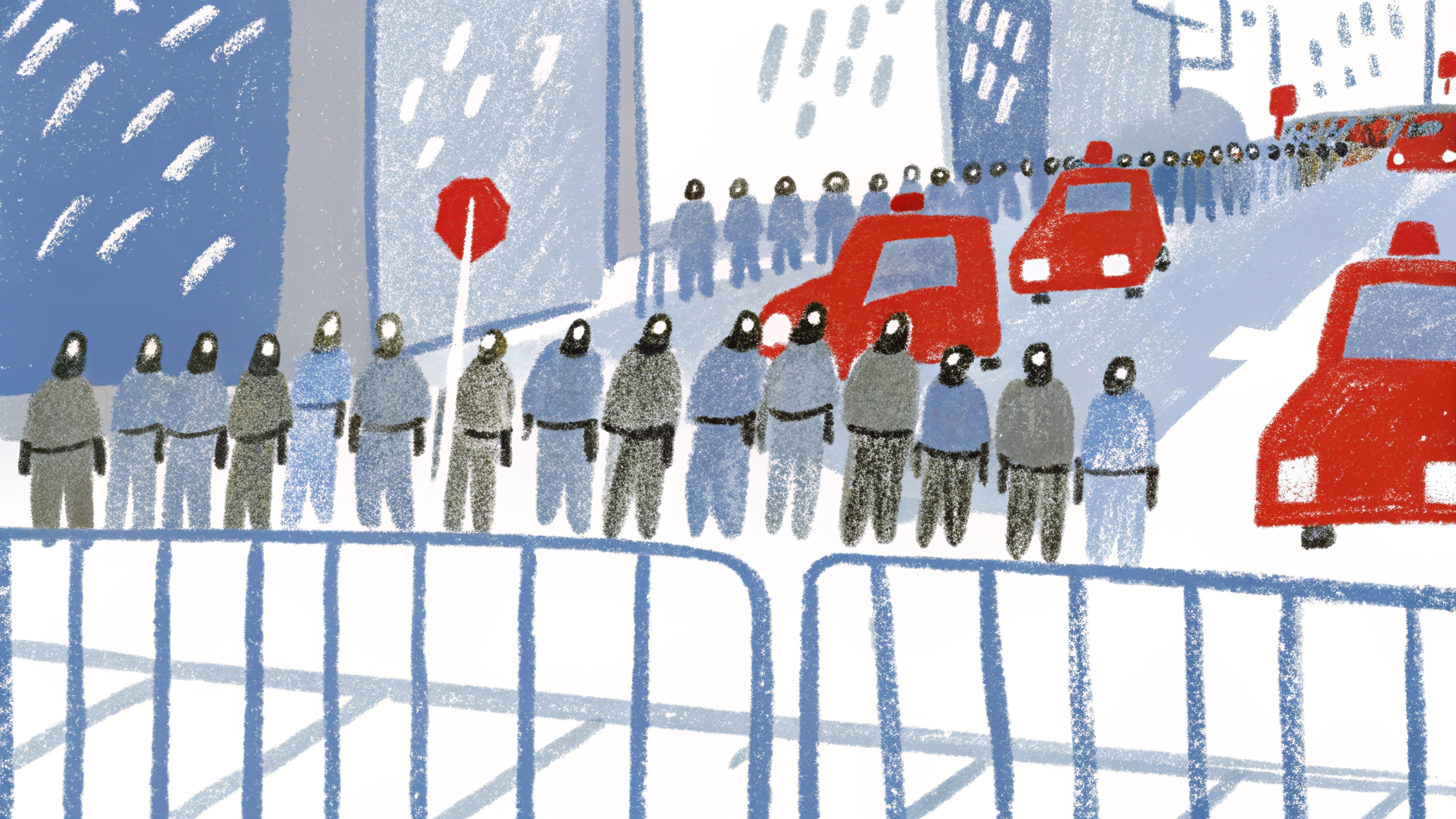
On July 20, 2026, police actively enforced the ban, preventing approximately 12,000 protesters from proceeding toward Parliament and ensuring traffic remained unbroken on strategic legislative routes. Authorities stopped movement at key metro stations like Rajiv Chowk and Janat to curb the number of people appearing at the protest site.
Delhi Police issued a direct advisory urging citizens not to participate in any unapproved procession or gathering, emphasizing legal consequences under the new . The advisory instructed the public to respect the in force and cooperate with police to maintain public peace.
Internal reports confirmed that CJP failed to secure official permission for the procession, reinforcing the police stance that the march is unauthorized and will not be allowed near high-security zones. Police reiterated that any person violating the applicable BNSS orders would be liable for legal action under Section 223.
Authorities increased security measures across New Delhi, including heavy barricades and enhanced surveillance, in anticipation of the Monsoon Session commencing on July 20. Elaborate security arrangements were deployed to protect vital government installations and ensure the safety of protectees as Parliament sessions began.
The order explicitly prohibits protest marches, processions, demonstrations, and assemblies of five or more people, except at the designated protest site at Jantar Mantar with prior permission. The prohibitory orders apply to the entire area of Sub-Division Parliament Street, excluding only the exempted Jantar Mantar Road area.
Police enforced prohibitory orders under Section 163 of the across the New Delhi district, formally replacing CrPC Section 144 and activating new powers to ban unauthorized gatherings. This invocation marks the first active enforcement of the new law's prohibitory powers to maintain law and order during the Monsoon Session.
Deputy Commissioner of Police (New Delhi) Sachin Sharma issued a public advisory stating that CJP neither sought nor received permission for the proposed march, establishing the legal basis for prohibition. The advisory explicitly noted that no application for permission had been received or given to Delhi Police.
The publicly proposed a protest march from to Parliament on July 20, 2026, demanding the resignation of Union Education Minister Dharmendra Pradhan over irregularities and paper leaks. The announcement set the stage for a potential confrontation near the legislative hub during the upcoming .