
India
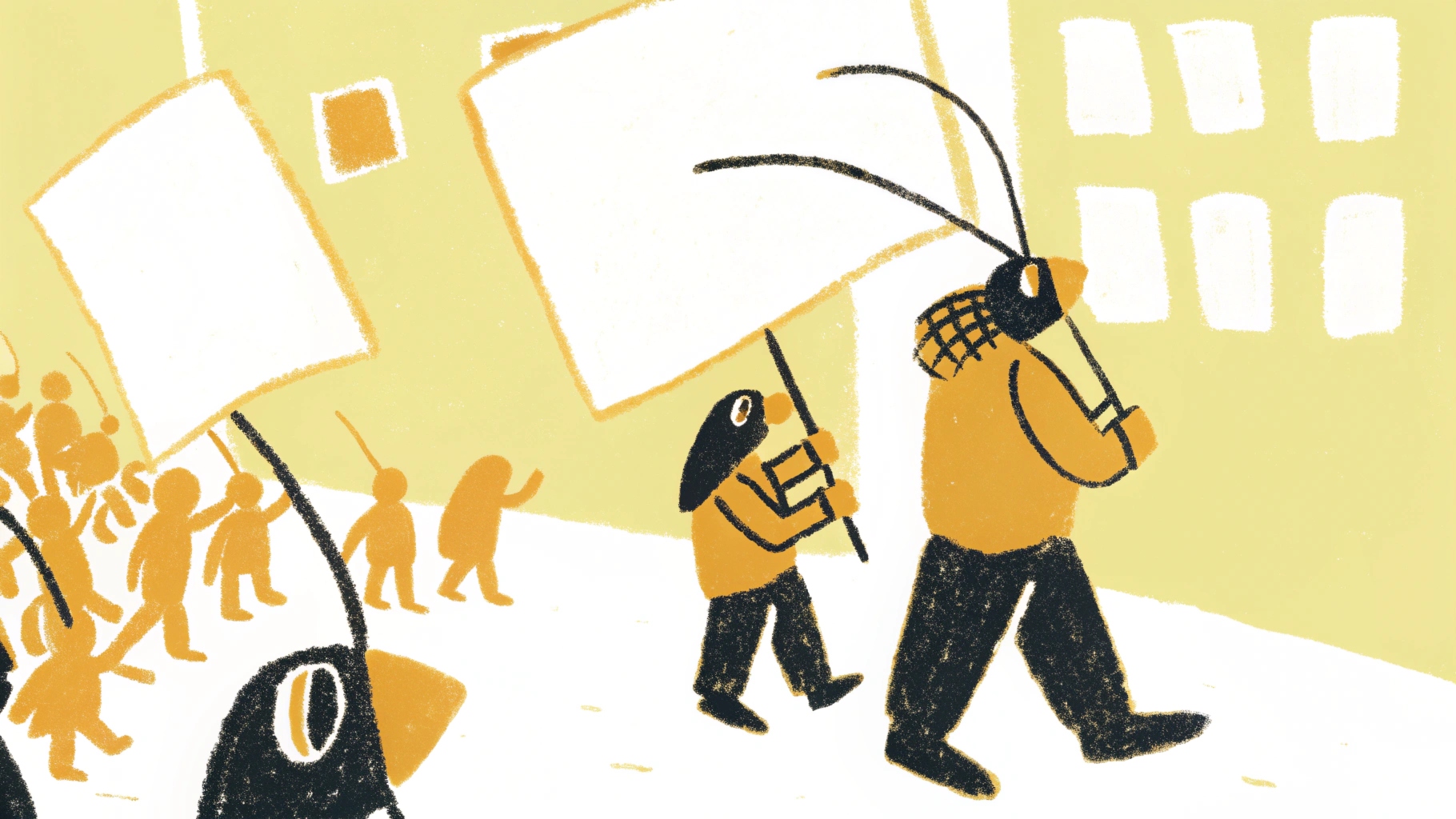
Cockroach Janta Party's protest in Delhi
The Jantar Mantar rally pushed exam leaks and irregularities into the political spotlight and raised pressure for government action.
The Jantar Mantar rally pushed exam leaks and irregularities into the political spotlight and raised pressure for government action.
The protest reflects mounting anger over exam leaks, irregularities, and weak accountability in India’s education system, where national tests are seen as gateways to jobs and opportunity. By turning student frustration into a public demonstration at , the Cockroach Janta Party is pressing the government to respond to a broader credibility crisis and to face demands for transparency and ministerial responsibility.
The protest forced renewed attention on alleged irregularities in and on the government’s handling of student complaints. Coverage noted calls for stronger safeguards, reforms, and action against wrongdoing in the education system. The immediate aftermath centered on whether the would address the demands raised at Jantar Mantar.
The protest pushed exam irregularities and student complaints back into the national spotlight. It increased pressure on the education ministry to respond publicly, especially on safeguards, investigations, and accountability for wrongdoing.
Because the protest linked the exam controversy to trust in national testing, which affects access to jobs and higher education. If the ministry does not respond, criticism can grow that it is ignoring student concerns and weak oversight.
Coverage said protesters wanted stronger safeguards, reforms, and action against wrongdoing in the education system. That points to both immediate fixes for exam handling and broader changes to prevent leaks and irregularities from recurring.
Delhi Police maintained a visible security presence around and monitored the crowd throughout the demonstration. Reports said entry was controlled and the protest remained peaceful despite the heightened political atmosphere. The police response focused on rather than confrontation.
Delhi Police kept a strong presence to manage order at a politically sensitive protest site and to prevent disruption. The focus was on monitoring access and crowd movement, not on breaking up the demonstration, which remained peaceful.
Controlled entry suggests police were screening or limiting access to keep the gathering orderly. That can reduce the risk of crowd surges or outside disruptions while still allowing the protest to continue.
A peaceful protest makes it harder for authorities to dismiss the event as a law-and-order problem. It also helps the organizers keep attention on their message about exam irregularities rather than on clashes or arrests.
Organizers and participants used speeches and slogans to describe the protest as a campaign for transparency, , and institutional accountability. They highlighted , recruitment concerns, and wider mistrust in the education system. The framing positioned the event as a student movement rather than a narrow partisan rally.
They wanted to present the protest as a response to systemic problems like paper leaks, recruitment concerns, and weak transparency. That framing made the event about education accountability rather than party politics.
They linked exam leaks, fairness in recruitment, and broader mistrust in the education system. The goal was to show these were connected failures, not separate incidents.
Social activist reportedly joined the gathering, raising the profile of the demonstration beyond the ’s core supporters. His presence added credibility to the protest’s student-grievance framing. It also helped draw more attention to the education accountability message.
His presence gave the protest additional credibility beyond the CJP’s own base. As a well-known public figure linked to education reform, he helped amplify the student-accountability message.
The protest gained wider attention and appeared less like a narrow party event. That likely made the education grievance framing more persuasive to people outside the core supporters.
As the demonstration continued, reporting described a larger turnout than initially expected, with more students and young supporters arriving through the day. The growing crowd gave the protest wider visibility online and on . Organizers presented the swell as evidence of broader frustration over exam accountability.
A larger turnout strengthened the protest’s claim that exam accountability is a wider youth concern, not just the position of a small group. It also made the event more visible on social media and national news.
Organizers used the larger crowd as evidence that frustration over leaks and irregularities was spreading. That helped them frame the demonstration as a broader student movement with growing public backing.
Protesters made the resignation of a central demand, linking him to repeated exam-related controversies. They argued that the government had failed to ensure fair conduct in national examinations. The demand became the protest’s clearest political message.
They treated him as the political authority responsible for exam oversight, so his resignation became their way of demanding accountability for repeated irregularities. The demand also turned the protest into a direct challenge to the government’s handling of national examinations.
The demand was meant to force a public response to exam leaks and fairness concerns, not just express anger. By naming the education minister, protesters made the issue harder to dismiss as isolated student frustration.
assembled at Jantar Mantar and began the demonstration over alleged examination and recruitment irregularities. Early reports described a modest crowd, with participants including students and young professionals. The protest quickly centered on demands for transparency and action against those responsible for exam lapses.
Early reports described a modest crowd that included students and young professionals. That mix suggests the protest was meant to connect campus grievances with broader youth frustration over recruitment and exam fairness.
They were pushing for transparency and action against those responsible for exam lapses. In practice, that means pressure for answers about how irregularities happened and who in the system should be held accountable.
reportedly allowed the gathering at Jantar Mantar and put security arrangements in place before the protest began. Authorities monitored the situation and regulated access points to prevent disruption. The approval turned the plan into a .
Police approval turned the protest into a legally sanctioned gathering, which reduced the immediate risk of it being stopped on procedural grounds. It also meant authorities could manage the crowd through security arrangements and controlled access.
Security planning helped Delhi Police monitor the crowd and prevent disruption in a sensitive central Delhi area. It also signaled that the authorities expected the protest to draw attention even if the turnout stayed limited.
The Cockroach Janta Party announced a protest at in New Delhi to push student grievances into the public and political spotlight. Organizers framed the action as a demand for accountability in the education system, not just a one-off demonstration. The protest was built around pressure on the .
Jantar Mantar is a visible protest site in central Delhi, so it helped the group put student anger in front of media and policymakers. The location also strengthened the political message by tying the protest directly to national decision-makers.
CJP was trying to make exam irregularities look like a continuing accountability problem, not a one-off scandal. By targeting the Union Education Ministry, the group signaled that it wanted official action and responsibility, not just sympathy.
National-level exam controversies around and sharpened public anger over , irregularities, and fairness in recruitment and competitive testing. The grievances gave student groups and youth activists a concrete issue to rally around. This became the immediate backdrop for the Cockroach Janta Party’s protest campaign.
They mattered because NEET and CBSE are high-stakes national exams that shape access to jobs, colleges, and other opportunities. Allegations of leaks and irregularities turned the issue from a routine exam complaint into a broader credibility crisis in the education system.
The disputes gave students and youth activists a concrete example of unfairness they could rally around. Instead of arguing about abstract reform, they could point to exam lapses as evidence that the system needed public scrutiny and accountability.