
Politics
Supreme Court schedules Sunday hearing after Delhi protest shutdown
The court now tests how far authorities can restrict public mobility.
The court now tests how far authorities can restrict public mobility.
A planned protest over claims that voters were denied their rights and demands to change election rules has become a wider dispute over arrests and public order. Authorities detained opposition leaders, students, lawyers and thousands of other alleged protesters. Delhi and Mumbai then imposed broad limits on transport and protests. Police and organisers disagree on the number detained. Officials say the measures were needed for safety, while those who brought the case say authorities ignored court orders.
The will examine whether Metro and rail limits continued illegally after judges ordered that transport must not stop entirely. Another protest could deepen the standoff. The UN has called for peaceful protests to be protected and people held without proper grounds to be released, but India rejects the criticism. The court may order compliance or address illegal detentions. The dispute over voter lists and the election authority remains unresolved.
The Supreme Court scheduled a on Sunday to hear the and a plea concerning the detention of opposition leaders. The bench is expected to examine whether transport restrictions complied with the October 9 order, whether authorities exceeded lawful security powers and how the must be balanced against public order. The hearing will also determine whether further directions, releases or explanations are required.
After Saturday’s detentions and restrictions, issued a fresh call for supporters to gather at on Sunday. The organisers sought to renew demands for and Kumar’s resignation while challenging the authorities’ attempt to prevent the first mobilisation. Reports said the three senior leaders remained detained at that stage, although other detainees had been released.
India rejected the UN criticism as unwarranted or misplaced interference in domestic . The government’s position defended the restrictions as security measures and disputed the characterisation of the detentions. The factual and legal dispute therefore continued between official security claims, organisers’ accounts and .
The called on authorities to respect and urged the release of anyone . The statement placed the Delhi and Mumbai actions within international human-rights scrutiny but did not itself invalidate arrests or compel releases. Its practical force is diplomatic and normative, unlike a binding domestic court order.
Shailendra Mani Tripathi filed a alleging that Union, police and transport authorities breached the Supreme Court’s October 9 directions. The petition sought action over the alleged continuation of Metro and rail shutdowns and named senior officials, including the . can require explanations, order compliance and impose sanctions if deliberate disobedience is established.
Petitioners alleged that Metro stations remained closed and train services continued to be cancelled or restricted after the Supreme Court ordered that transport should not be completely stopped. Authorities maintained that security regulation was necessary to manage the protest threat. The dispute turned on whether the measures were limited regulation or an .
Mumbai authorities restricted solidarity actions linked to the Delhi mobilisation and closed or restricted access to , according to reports. Participants connected to the protest were detained in Mumbai as organisers attempted to maintain pressure outside Delhi. The available coverage distinguishes the reported closure and detentions from broader claims that were not independently confirmed.
Former chief ministers and opposition politicians, including Arvind Kejriwal, Mamata Banerjee, Pinarayi Vijayan and Manik Sarkar, were reported detained while trying to join or support the protest. Student groups and lawyers marching from the Supreme Court were also detained. The operation therefore extended beyond CJP organisers to political and .
Police sources and media reports gave differing estimates for the scale of the operation, ranging from more than 3,000 to over 7,000 detainees. CJP and allied groups also circulated high detention figures, while some reports said many detainees were later released. These figures should not be treated as because the sources used different definitions and .
Security forces blocked roads and access points around and detained people attempting to reach the venue. The BBC reported seeing at least five people detained near the site, while police and media reports described much larger operations across the capital. The protest did not proceed as the organisers had planned at the .
Delhi Metro stations were closed or operated with restrictions, and some Delhi-bound train services were cancelled or . The transport measures were presented as security precautions, but critics said they amounted to a that prevented both protesters and ordinary commuters from reaching central Delhi. The restrictions directly raised the question of whether could be limited to enforce protest controls.
Reports said police detained additional participants, including CJP Ratna Singh and YouTuber Dhruv Rathee, ahead of or during the Delhi protest. Broader reports also described the detention of other organisers and protesters, but the and status of each detention were not consistently clear.
CJP founder Abhijeet Dipke and leaders Saurav Das and Ashutosh Ranka were detained shortly after arriving at from Mumbai. The party described the action as part of an effort to stop the protest, while police detained them under . Reports differed on their location and continuing custody.
The Supreme Court directed authorities not to impose a complete shutdown of Delhi’s public transport during the protest. Its reasoning focused on , allowing security regulation but requiring that ordinary public mobility not be eliminated. The order became the legal basis for later allegations of .
The Supreme Court declined to immediately suspend the election commissioner while indicating that it would examine whether had been followed. The court also indicated that decisions made without required approval could potentially be . The ruling left the underlying before the judiciary while the street mobilisation intensified.
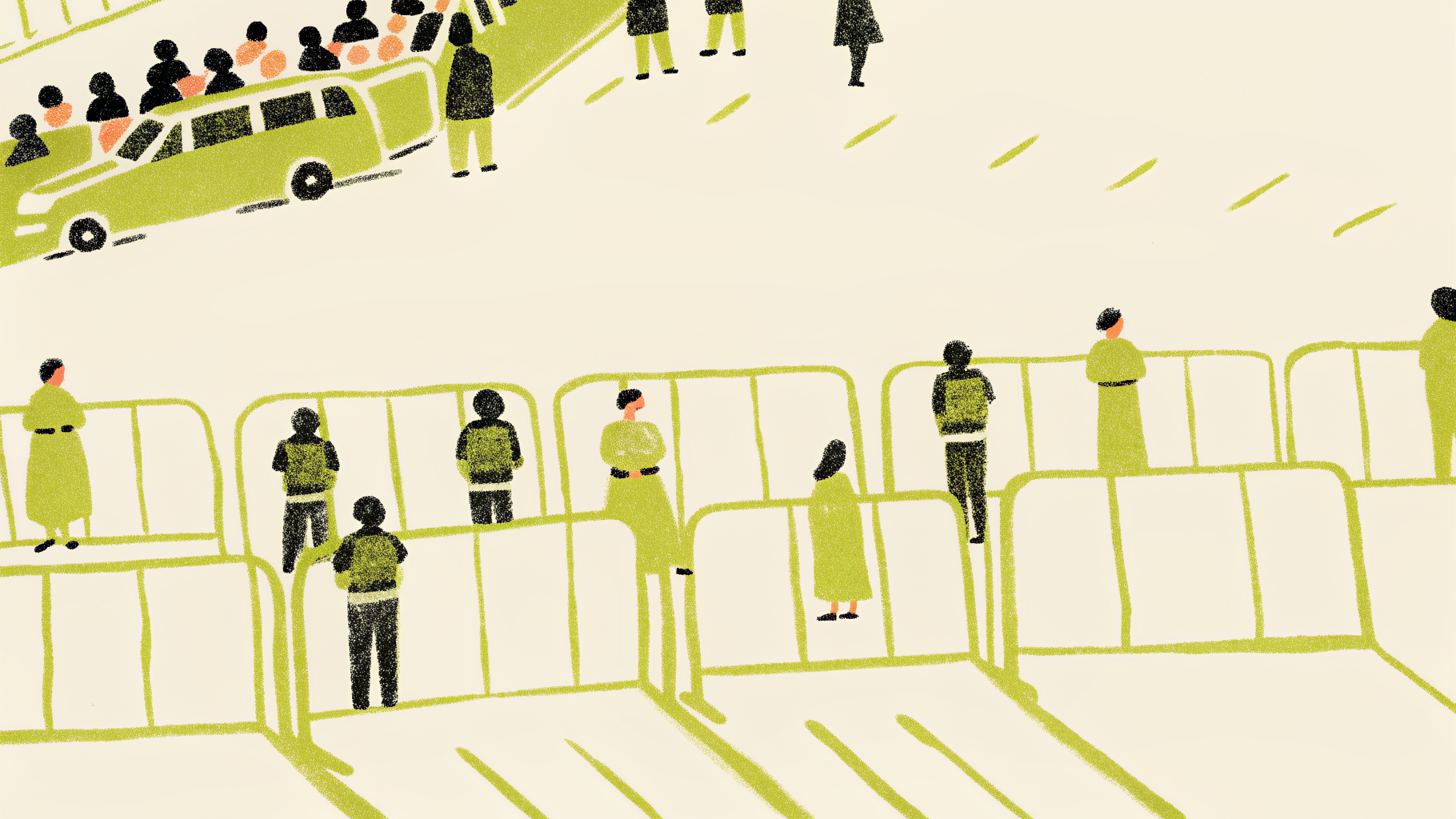
Police and deployed across central Delhi before the planned protest. Authorities installed metal barricades, and roadblocks on routes leading to Jantar Mantar, while access from borders, railway stations and bus terminals was restricted. The measures affected residents and commuters as well as demonstrators.
Delhi Police refused permission for the proposed Jantar Mantar gathering and cited . The authorities treated the planned mobilisation as unauthorised and prepared to prevent access to the protest site. Organisers continued to call for participation despite the refusal.
CJP organisers called supporters to gather at on October 10. They said the demonstration would press for electoral reforms, oppose the revision of and demand from election authorities. Online organisers and digital commentators helped circulate the mobilisation call and logistical information.
Chief er Gyanesh Kumar resigned amid the CJP’s campaign and wider of the . The resignation became the central political demand around which the planned Delhi mobilisation was organised. The available reports do not establish that the resignation resulted directly from the protest campaign.
The Cockroach Janta Party, or CJP, launched a campaign demanding and the resignation of Gyanesh Kumar. The campaign focused on allegations that the of electoral rolls could eligible voters or favour the ruling BJP. Authorities and opposition groups disputed the allegations and the scope of the campaign.