
Politics
CJP backs November 1 rally and seeks election chief’s resignation
Voter-list decisions increasingly determine who can exercise voting rights.
Voter-list decisions increasingly determine who can exercise voting rights.
India’s are at the center of a growing political fight. The is checking and updating voter records, but opposition parties fear the process could remove people who have the right to vote. They also say it is not open enough. The commission says draft lists are published for review. People can add names, challenge entries and fix mistakes. It says officials must give notice, check the facts and let voters respond before removing names.
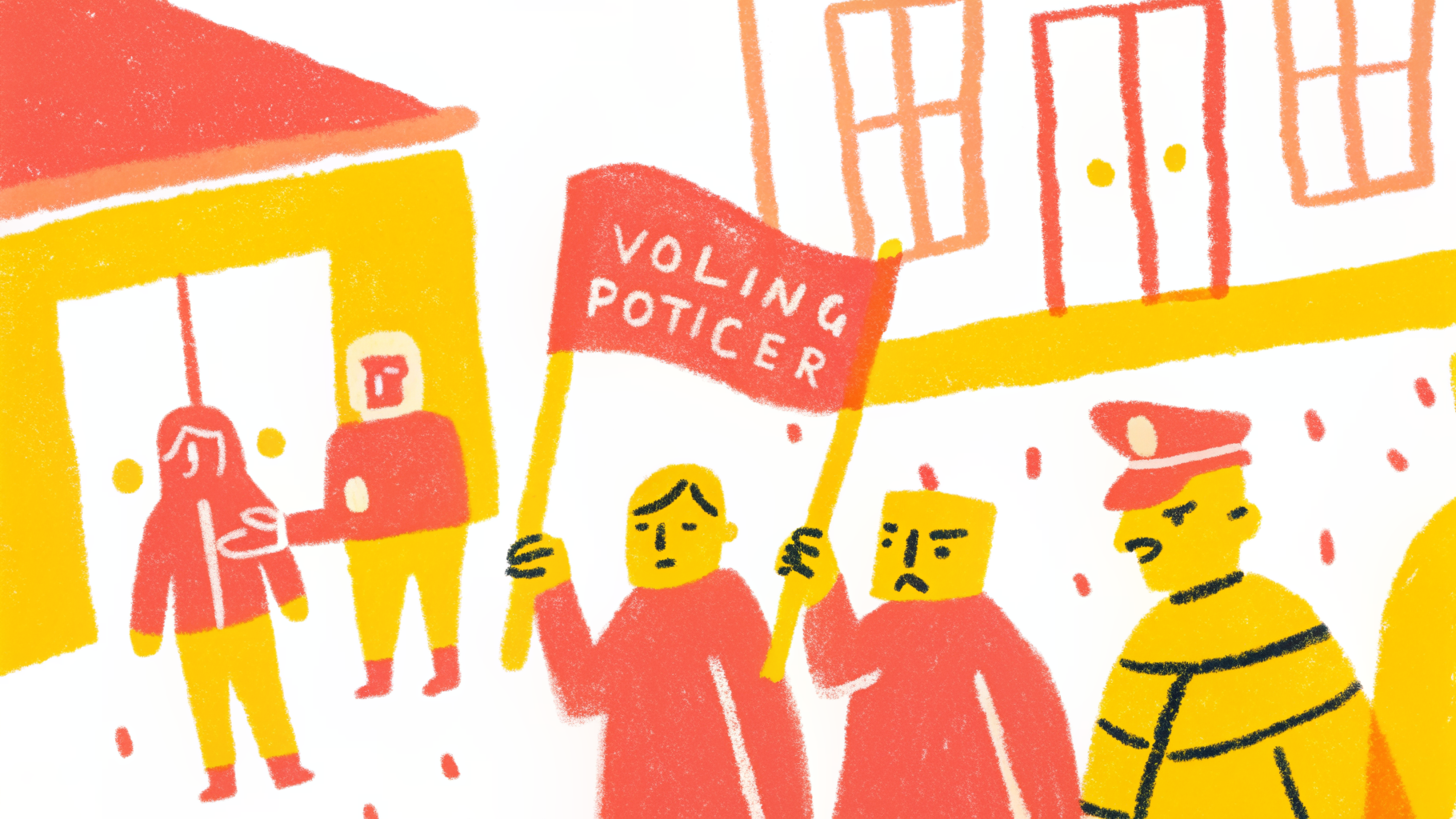
The will hold its “” rally at Delhi’s Ramlila Maidan on November 1. The Cockroach Janta Party backed the protest on October 28 and joined calls for to resign. People whose names are missing can ask election authorities to add or correct them and challenge wrongful removals. The dispute is whether these protections work reliably. The larger question is how to clean without excluding people who are entitled to vote.
The Congress-led INDIA bloc received permission to hold a November 1 rally at Ramlila Maidan against alleged irregularities in the Special Intensive Revision of electoral rolls. The planned mobilisation focused on protecting eligible voters and sought Chief Election Commissioner Gyanesh Kumar’s resignation.
Delhi Police granted permission for the Congress-led INDIA bloc rally at from 10 a.m. to 5 p.m., subject to conditions including a ban on inflammatory speeches and approval from the land-owning authority. The mobilisation was presented as a protest against alleged SIR irregularities and as a campaign to protect voting rights, with the resignation of Gyanesh Kumar among its stated demands.
The announced support for the INDIA bloc’s planned protest, saying every adult citizen must retain the . It alleged that the SIR had undermined public confidence in the Election Commission and raised fears that eligible voters could be excluded. CJP endorsed the demand for Chief Election Commissioner Gyanesh Kumar’s resignation, while its statement represented a political position rather than an independent finding that the Commission had unlawfully removed voters.
The revision process includes publication of rolls, a and verification before final decisions on additions, deletions or corrections. The Commission said applications seeking deletions through were capped at 10 per person during the claims and objections period. Citizens whose names are missing or wrongly challenged can submit claims, objections and correction requests through the prescribed election forms and approach election officials for verification and remedy.
Congress and parties organized a campaign criticizing the Special Intensive Revision of electoral rolls, citing concerns about eligible voters being excluded and demanding accountability from the Election Commission. They also called for Chief Election Commissioner Gyanesh Kumar to resign.
The Election Commission began the , or SIR, to update through verification and revision of voter records. Opposition parties later alleged that the exercise could remove eligible citizens and demanded greater transparency about deletions, reasons and appeals. The Election Commission has described the exercise as an administrative roll-cleaning process, while the political dispute concerns whether safeguards are sufficient to prevent wrongful exclusion.