
India
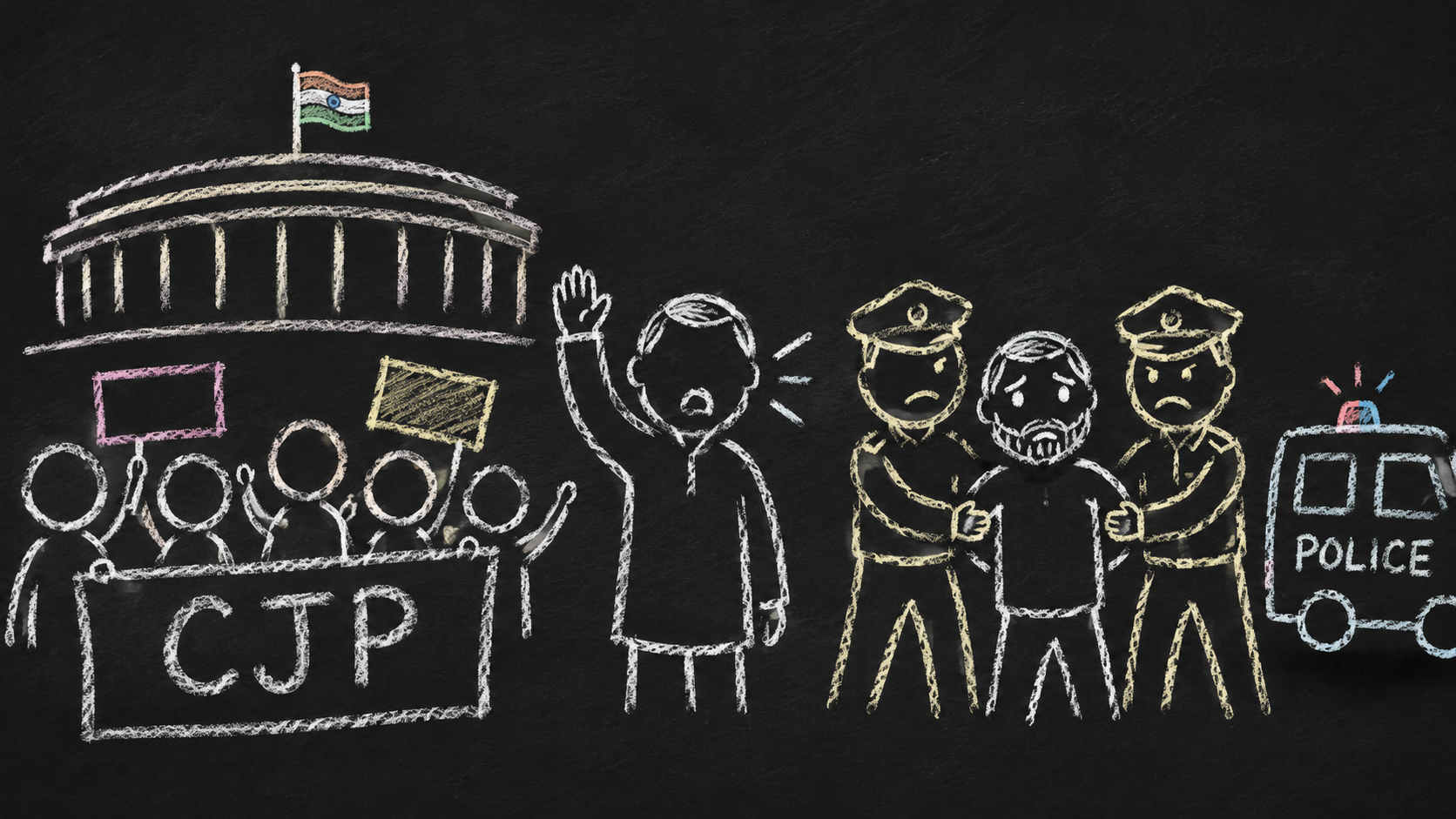
CJP Protests Escalate as Rahul Gandhi Detained
Everything that happened following the march to the parliament
Everything that happened following the march to the parliament
Police removed Rahul Gandhi, Priyanka Gandhi Vadra and other Congress leaders after their protest near the Prime Minister's residence continued for more than two hours. Rahul Gandhi was physically carried towards a police vehicle, and Congress said the detained leaders were taken to Model Town police station.
Reports described him as having been detained and taken away by police; they did not report a criminal conviction or long-term arrest.
Union Minister Jitendra Singh intervened during the political standoff and communicated with the protesting Congress leadership. The outreach did not end the sit-in, which continued for more than two hours before police acted.
No. The Congress protest continued and its leaders were subsequently detained.
Rahul Gandhi, Priyanka Gandhi Vadra, Mallikarjun Kharge and other Congress leaders staged a sit-in near Prime Minister Narendra Modi's residence at . They demanded answers over the police action against CJP demonstrators and accused the government of refusing accountability.
It was a Congress protest supporting the students and opposing the police action against the CJP-led mobilisation.
Prime Minister Narendra Modi called for the creation of a foolproof and promised punishment for those responsible for damaging examination integrity. His remarks addressed the underlying issue of examination leaks but did not satisfy protesters demanding ministerial accountability.
No. He addressed examination integrity and enforcement but did not announce Dharmendra Pradhan's resignation.
Activist Sonam Wangchuk entered the 24th day of his in support of demands for examination reform and accountability. Reports said he remained under medical care and continued calling for Education Minister Dharmendra Pradhan to be removed.
No. Reports on July 21 said that he remained on hunger strike while receiving medical attention.
CJP founder Abhijeet Dipke remained at Jantar Mantar for the second day of the sit-in and reiterated that the movement would continue until the government addressed its demands. Protest organisers continued seeking accountability for examination failures and the police action.
One of its central demands is the resignation of Education Minister Dharmendra Pradhan over alleged failures in the examination system.
CJP leader Abhijeet Dipke said the organisation would continue its agitation but would not immediately undertake another march towards Parliament. The decision reflected concerns that another confrontation could expose supporters to further injuries.
No. It paused another Parliament march but continued its demonstration at Jantar Mantar.
More than 5,000 supporters of the youth-led movement gathered at Jantar Mantar despite the previous day's clashes. The turnout indicated that the police action had not ended the agitation and that CJP retained substantial capacity.
No. Protesters assembled at Jantar Mantar, while CJP paused another immediate attempt to march towards Parliament.
Delhi Police registered a case over the violence that occurred during CJP's Parliament march on July 20. Police alleged that some demonstrators engaged in stone-pelting, vandalism and attacks on personnel, while CJP maintained that protesters had been subjected to excessive force.
No. The clashes occurred on July 20, while the FIR and investigation became major developments on July 21.