
World
Ceasefire Ends: Trump Halts Tehran Talks After Hormuz Ship Attack
Which repeated violations of the Hormuz ceasefire finally forced Trump to abandon negotiations?
Which repeated violations of the Hormuz ceasefire finally forced Trump to abandon negotiations?
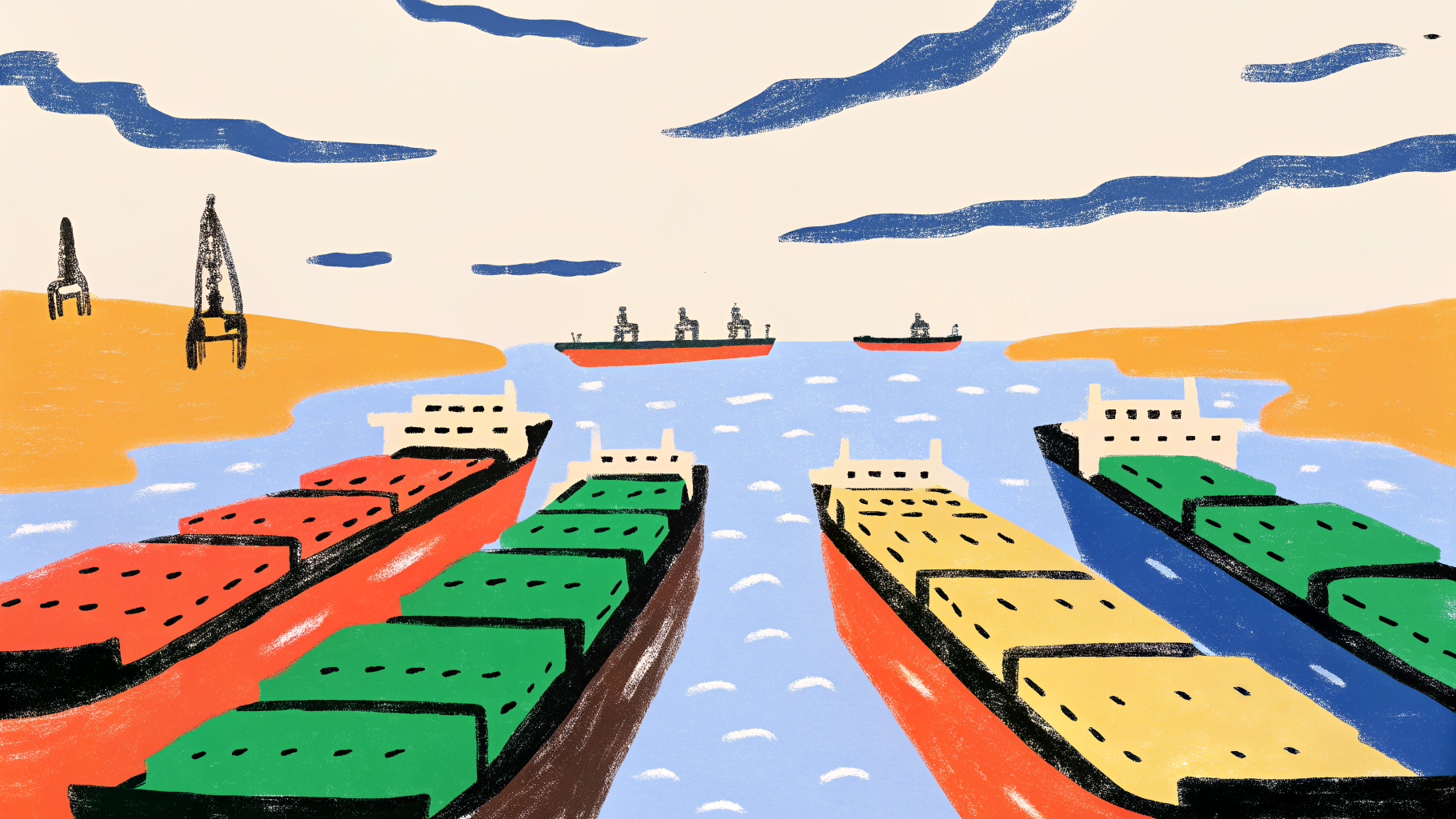
This story centers on the collapse of the fragile following Iran’s drone and missile attacks on commercial ships in the , a strategic waterway critical to global oil flows. President Trump’s declaration that the ceasefire is “over” and his launch of retaliatory airstrikes against Iranian military sites underscore the escalating tensions driven by Hormuz control, nuclear disputes, and . The breakdown threatens not only the interim peace deal but also the stability of international shipping and energy markets in the Middle East.
Oil prices surge as the threatens Hormuz reopening. exceeds 1,400 with over a million displaced, while Gulf Arab fatalities and US service member deaths continue to rise, highlighting the regional fallout.
Iran reiterates its demand for release of and international recognition of its authority over . Iran opposes plans to shift commercial shipping to , emphasizing its control of the strait.
President Trump announces ',' stating he no longer wants to deal with Tehran. The attack on the Hormuz ship is cited as the final trigger for abandoning negotiations, ending months of fragile diplomatic efforts.
A ship is attacked in the , marking a critical breach of the ceasefire. This attack directly challenges the core agreement to ensure safe maritime passage and serves as the final trigger for abandoning negotiations.
Senior officials from both nations confirm a temporary stand-down, halting all kinetic activity. Emergency technical talks are scheduled to resume in , to preserve the ceasefire and ensure free movement through Hormuz.
Iran's launches retaliatory ballistic missile and drone attacks targeting US military bases in Kuwait and Bahrain. Iran declares that American forces will 'experience hell' in response to US airstrikes.
President Trump orders decisive retaliatory airstrikes on ten Iranian military locations, including air defense sites and drone storage facilities near . The strikes mark a significant escalation following the Hormuz attack.
A Singapore-flagged commercial vessel, M/V Ever Lovely, is attacked by drones in the . Trump accuses Iran of violating the ceasefire, with one drone hitting the ship's upper deck while others were downed.
Presidents of the US and Iran digitally sign the , formalizing the war-ending process and establishing a 60-day negotiation window for final deal terms. The memorandum includes provisions for safe passage through Hormuz.
US and Iranian officials reach a preliminary for a 60-day ceasefire, addressing nuclear program, uranium enrichment levels, and Hormuz maritime security. This agreement aims to formalize the path toward a broader peace deal.
Trump sets five preconditions for Iran to resume negotiations, including delivery of , maintaining one operational nuclear facility, and rejecting reparations demands. These conditions highlight deep gaps over Hormuz control and frozen assets.
Despite ongoing violations, President Trump extends the ceasefire indefinitely, signaling a shift from a temporary halt to long-term de-escalation. This move aims to stabilize the region but faces skepticism due to repeated breaches by both sides.
The ceasefire takes effect immediately. Iran's Foreign Minister Araghchi confirms safe passage through Hormuz for the two-week period. drop from $115 to below $95 as markets react to the de-escalation.
President Trump issues a deadline for Iran to open the , threatening destruction of civilian infrastructure if the waterway remains blocked. Hours before the deadline expires, a is agreed, mediated by Pakistan, covering Lebanon and other regional tensions.