
India
Cabinet Tightens India’s Anti Paper Leak Law
Will tougher penalties and fast-track courts curb exam fraud?
Will tougher penalties and fast-track courts curb exam fraud?
India’s crackdown on exam paper leaks has become a broader test of how the state can restore trust in recruitment and after repeated scandals and student anger. The Cabinet’s move to toughen penalties, add and tighten enforcement builds on the 2024 anti-cheating law and signals a shift from reactive damage control to a more aggressive system for deterring organised leaks.
The government says the amendment bill is expected to be introduced in in the coming days, with Monday cited as the likely timetable. Once tabled, it would test whether the ’s tougher approach can secure ary passage quickly. If enacted, the would create a stronger legal framework for investigating, prosecuting and deterring paper leaks.
As part of the broader response, the terminates 47 officials and the government calls it a major step toward . Officials also say legal and could follow for some of these employees, along with more reformative measures. The personnel action signals that the anti-leak crackdown is tied to a wider institutional reset.
The Cabinet-backed plan includes for exam leak cases and of investigations and trials. Officials say the aim is to speed up prosecutions so paper leak cases do not drag on for years. This expands the response from punishment alone to and judicial process.
The proposed changes reportedly raise punishment for serious to as much as 10 years in jail and fines of up to . The amendment is designed to tighten penalties beyond those already in the 2024 law. The government presents the tougher punishment model as a stronger against .
The approves to the Public Examinations (Prevention of Unfair Means) Act, 2024. The government says the bill is meant to strengthen the anti-cheating law after continuing protests over NEET and other paper leak cases. The approval turns the promise of reform into a concrete .
Prime Minister Narendra Modi says in a late-night video message that the government will bring a law to crack down on . He also signals that will be part of the response to . The message publicly sets up a legislative and judicial crackdown rather than only administrative action.
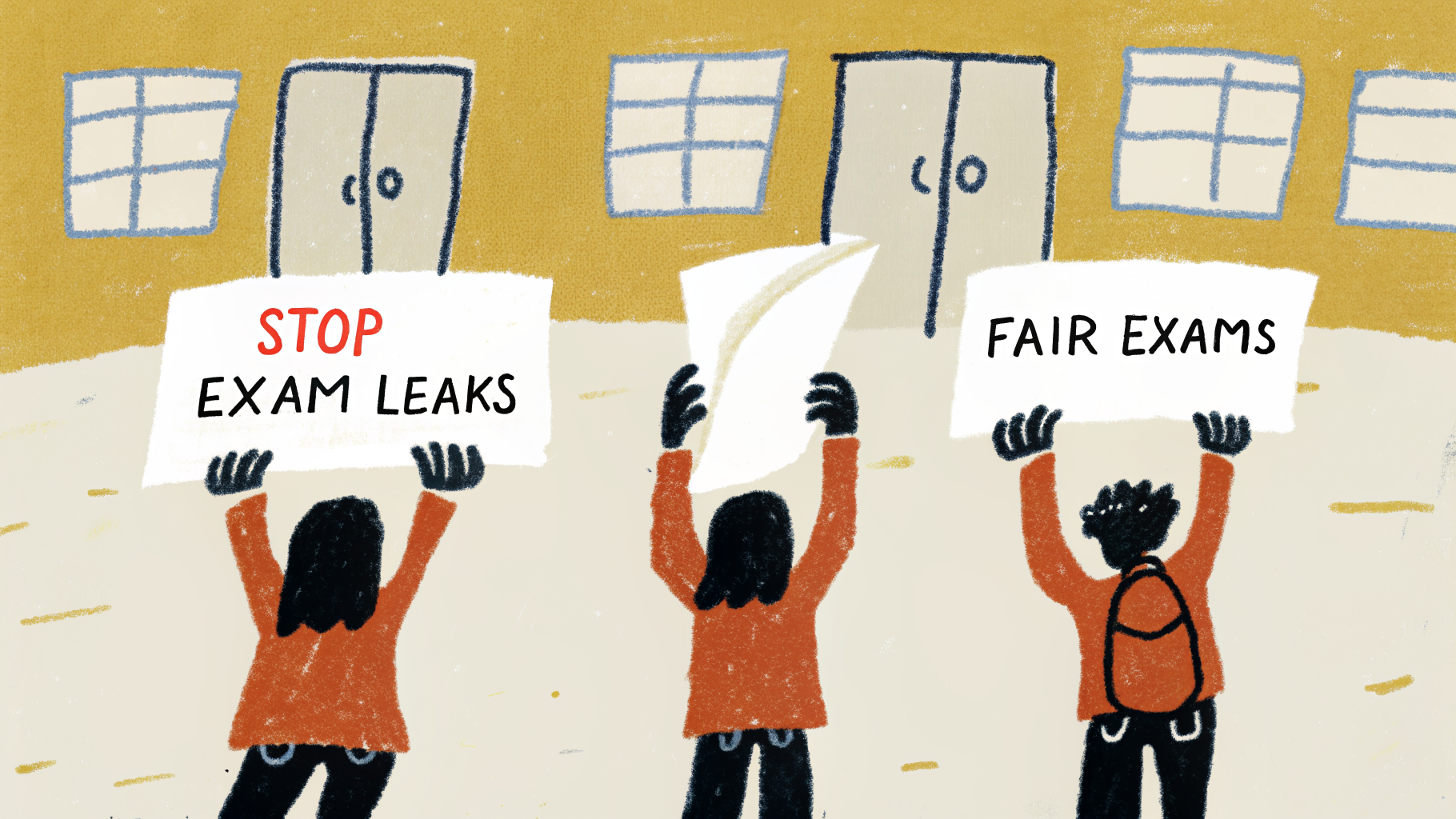
The paper leak controversy triggers nationwide student anger, opposition criticism and demands for . Reports say the protests push the Centre to treat exam fraud as a , not just an administrative failure. This public pressure becomes the immediate backdrop for the later legal overhaul.
The Public Examinations (Prevention of Unfair Means) Act, 2024 comes into force through a . The law covers public examinations such as , , , and other central recruitment and entrance tests. It already provides jail terms and fines, but the later Cabinet move is meant to make those penalties much harsher.
The Union government moves to create a dedicated law against and after repeated scandals in . Officials frame the proposed legislation as a tool against organised syndicates, while saying genuine candidates should not be punished for leaks they did not cause. This becomes the policy base for the .