
Wage unrest threatens Bangladesh garment shipments to global brands
Higher wages now test Bangladesh’s ability to retain international orders
Overview
Bangladesh’s garment workers want the monthly raised from 12,500 taka to 30,000 taka. Rising costs for food, housing, transport and healthcare have made current pay harder to live on. Protests, road blockades and clashes with police have shut factories in industrial areas near Dhaka. Hundreds of plants and millions of workers face pressure, along with export schedules.
A six-member plans to introduce new pay rules in December. Workers would receive their first changed salaries in January, but the size of the increase is still unsettled. Higher pay could reduce hardship. Factory owners warn that higher costs could make Bangladesh less competitive and send orders to rival countries. Delays could affect and payments involving , , Walmart and , although confirmed disruption tied to specific brands remains limited.
Timeline
Bangladesh garment factories reopen unevenly as wage protests continue
Some factories resumed operations, but fresh protests and stoppages forced hundreds of plants to suspend production again. The unrest disrupted factory operations and raised concerns about as the government and industry representatives worked to revise garment workers’ wages.
The wage board agrees to introduce a revised pay structure from December
The wage board agreed that a would take effect from December, with workers expected to receive their first salaries under the new scale in January. The actual minimum-wage increase was not yet decided, so the announcement did not settle the central dispute. Protests continued as hundreds of factories remained affected.
The government forms a six-member wage board to address the unrest
The government formed a six-member to review garment workers’ pay demands. The board brought government, worker and employer representatives into the wage-setting process as protests and factory closures continued. Authorities and industry leaders urged workers to return and factory owners to reopen.
Factory stoppages raise concerns about spring and summer shipments for apparel brands
Factory stoppages during a key production period raised concerns about possible delays to and in Bangladesh’s apparel industry. Bangladesh supplies brands including H&M, Zara, Walmart and Primark, but confirmed brand-specific disruption was limited.
Protesters shut factories and clash with police across Dhaka-area industrial districts
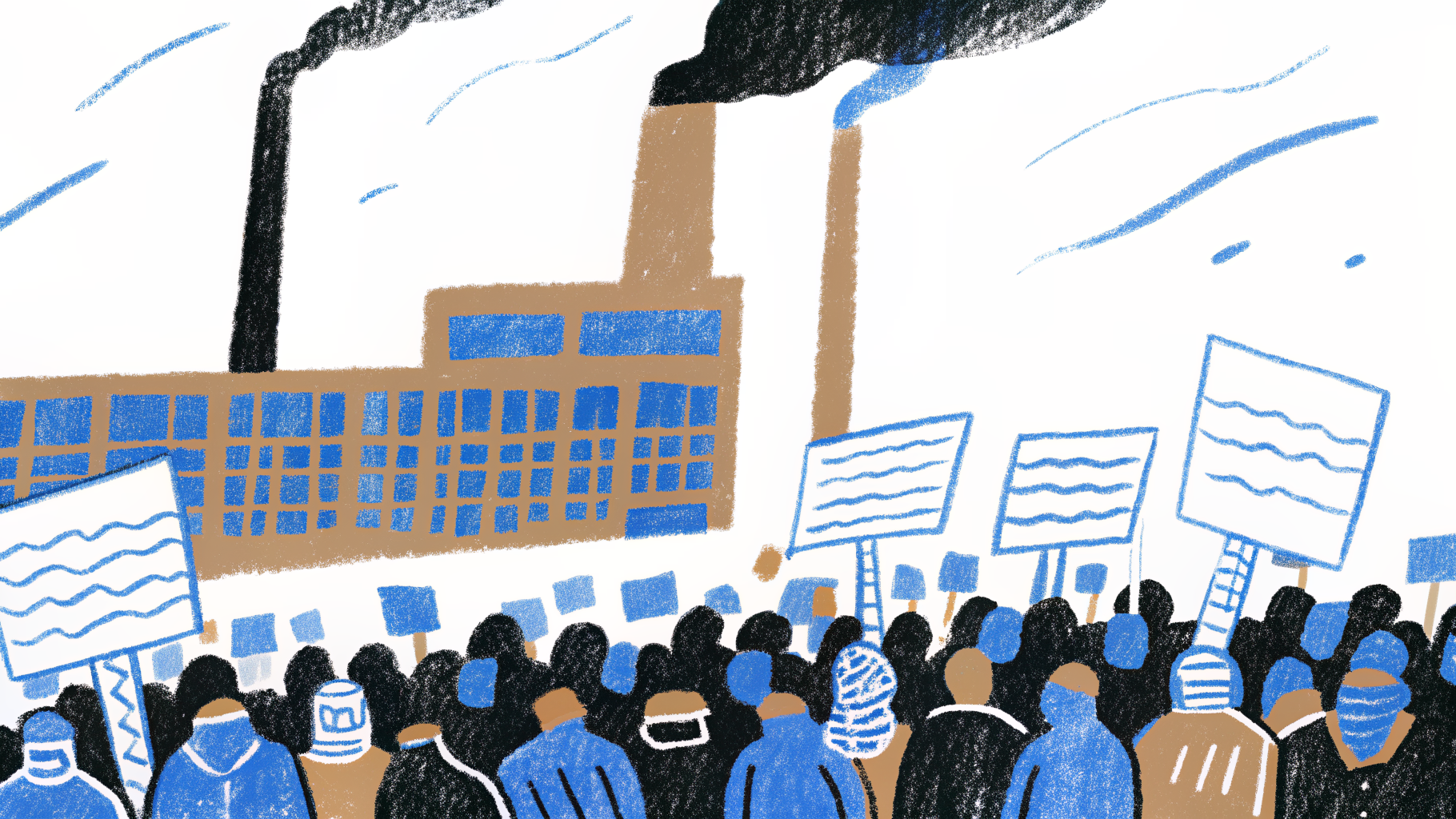
Demonstrations spread through , Savar, Ashulia and other industrial areas around Dhaka, with road blockades and clashes with police. The said disruptions affected 529 factories and nearly one million workers. Some factories reopened, while others remained closed as unrest continued.
Garment workers demand a 30,000-taka minimum wage as living costs rise
Workers demanded that the rise from 12,500 to 30,000 , citing higher food, housing, transport and healthcare costs. The dispute disrupted factories in an industry generating more than 80% of .