
Politics
Delhi detains anti-SIR marchers, extends central forces and defends electoral-roll revisions
Election authorities face growing demands for transparency over voting rights
Election authorities face growing demands for transparency over voting rights
The confrontation widened after the extended the deployment of 273 companies in Delhi until October 31. This is the second extension. Six units are helping Delhi Police because of fears that sudden protests could break out at sensitive sites. The size and length of the deployment have raised questions about whether it is necessary, who is answerable for it, and whether it limits the right to protest. has ended in 13 states and three Union territories. The commission has announced an annual for further corrections. The commission defends its process, while authorities cite public order. The dispute and related legal challenges remain unresolved.
The Union Home Ministry extended the deployment of 273 in Delhi until October 31 amid concerns about possible flash protests. Anti- groups continued marching against the and alleged voter deletions, while the Election Commission’s remained the formal mechanism for challenging roll entries.
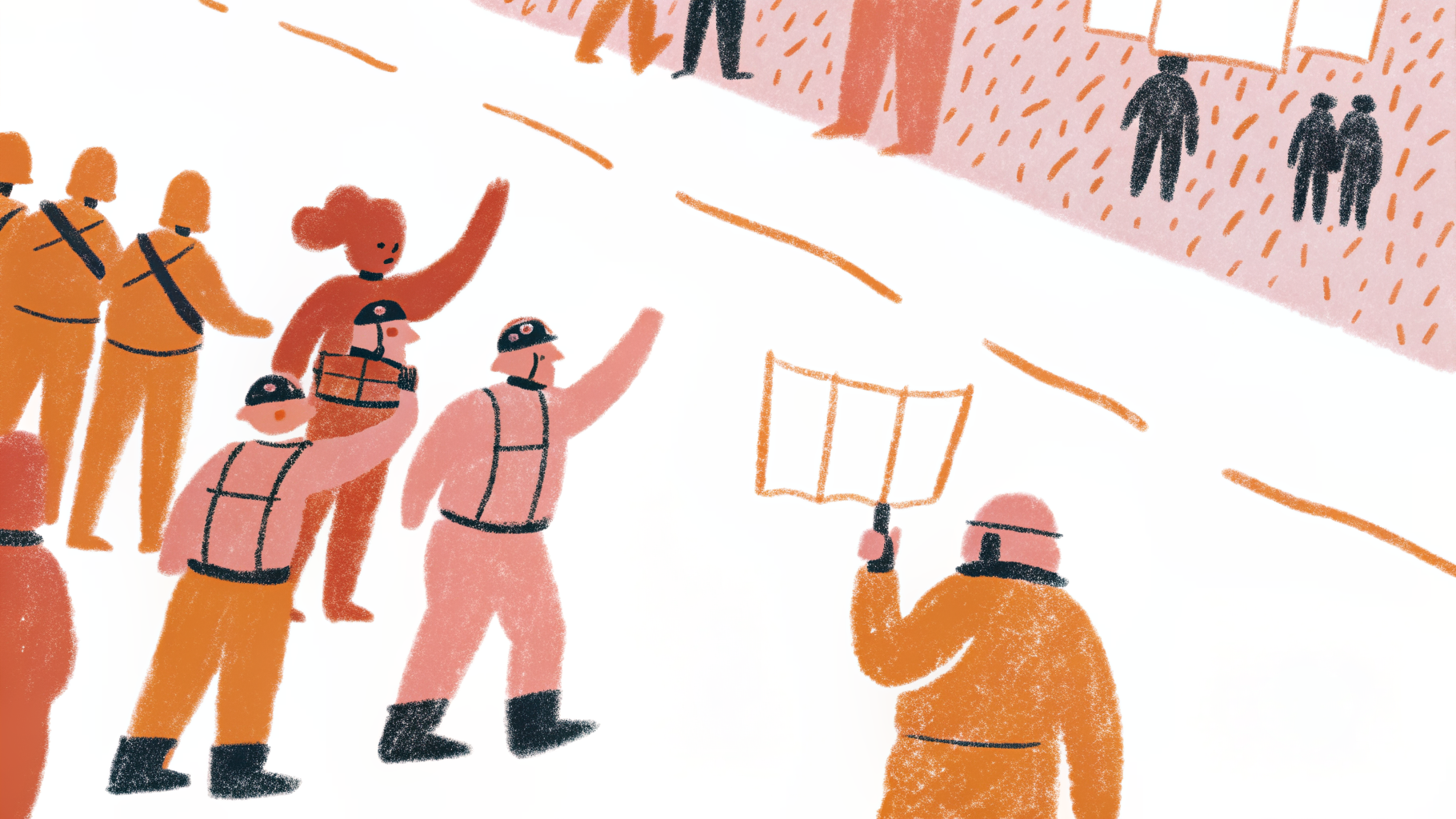
Delhi Police detained protesters during an anti-SIR march toward the Election Commission and imposed restrictions on mass gatherings under . Separately, the Union Home Ministry extended the deployment of 273 in Delhi until October 31, citing concerns about possible flash protests.
The commission announces that annual will take place in 13 states and three Union territories where SIR has concluded. Assam is treated separately under the commission’s stated position. The announcement creates an additional correction and updating phase after the intensive revision process.
The Election Commission’s role in preparing and revising electoral rolls derives from its constitutional responsibility for elections and statutory election law. State chief electoral officers, , and local officials carry out the operational stages under the commission’s supervision. The legal framework places roll preparation with the election machinery while preserving statutory opportunities for voter challenges.
Under the SIR process, voters can seek correction of errors or contest omissions after the are published. Claims and objections are handled through the prescribed election-administration channels, with verification and hearings where required. The procedure provides the formal route for eligible voters to restore or correct their entries.
The Election Commission’s published schedule places 16 states and three Union territories under . The official programme sets stages for enumeration, publication of draft rolls, and . The schedule makes clear that SIR is a structured revision process rather than an immediate final deletion of names.
The Delhi demonstrations combined calls to stop with demands for the removal of Gyanesh Kumar. Protesters also challenged the way the Election Commission exercises authority over electoral-roll revisions. The demands broadened the dispute from individual voter omissions to the appointment, accountability, and independence of the election body.
Protesters said the Special Intensive Revision had already removed, or could remove, eligible voters from the rolls. They demanded restoration of affected names, greater transparency in verification, and accountability from the Election Commission. The allegations turned the revision from an administrative process into a wider dispute over and institutional authority.
Delhi Police imposed restrictions on mass gatherings under as the march moved through central Delhi. Police and Rapid Action Force personnel were deployed, and several protesters were detained. Traffic diversions and security measures altered the planned movement toward the Election Commission headquarters.
The Delhi Coordination Committee of began a march from the Gole Dak Khana area toward the Election Commission of India headquarters. Participants carried national flags and banners opposing the electoral-roll revision exercise. Left parties and student leaders separately marched near Bangla Sahib and demanded action against the Chief Election Commissioner.
The extended deployment places central forces alongside Delhi Police for law-and-order duties in the capital. Officials cited the possibility of sudden demonstrations at sensitive locations rather than a single scheduled event. The order extends an operation first introduced after the October 9 protests and previously prolonged in mid-October.
The Union Home Ministry ordered a second extension of the deployment of 273 in the national capital. The order followed a Delhi Police request citing possible flash protests by political and other groups. The ministry directed Delhi Police and the concerned CAPF units to coordinate the deployment.
The Cockroach Janta Party held demonstrations in Delhi against the of electoral rolls. Protesters alleged irregularities in the process and demanded the resignation of Chief Election Commissioner Gyanesh Kumar. The demonstrations prompted authorities to prepare for further protests at sensitive locations.