
01
SC Questions English Native Label in CBSE Three-Language Policy
Published 16 Jul 2026
20 Jul 2026
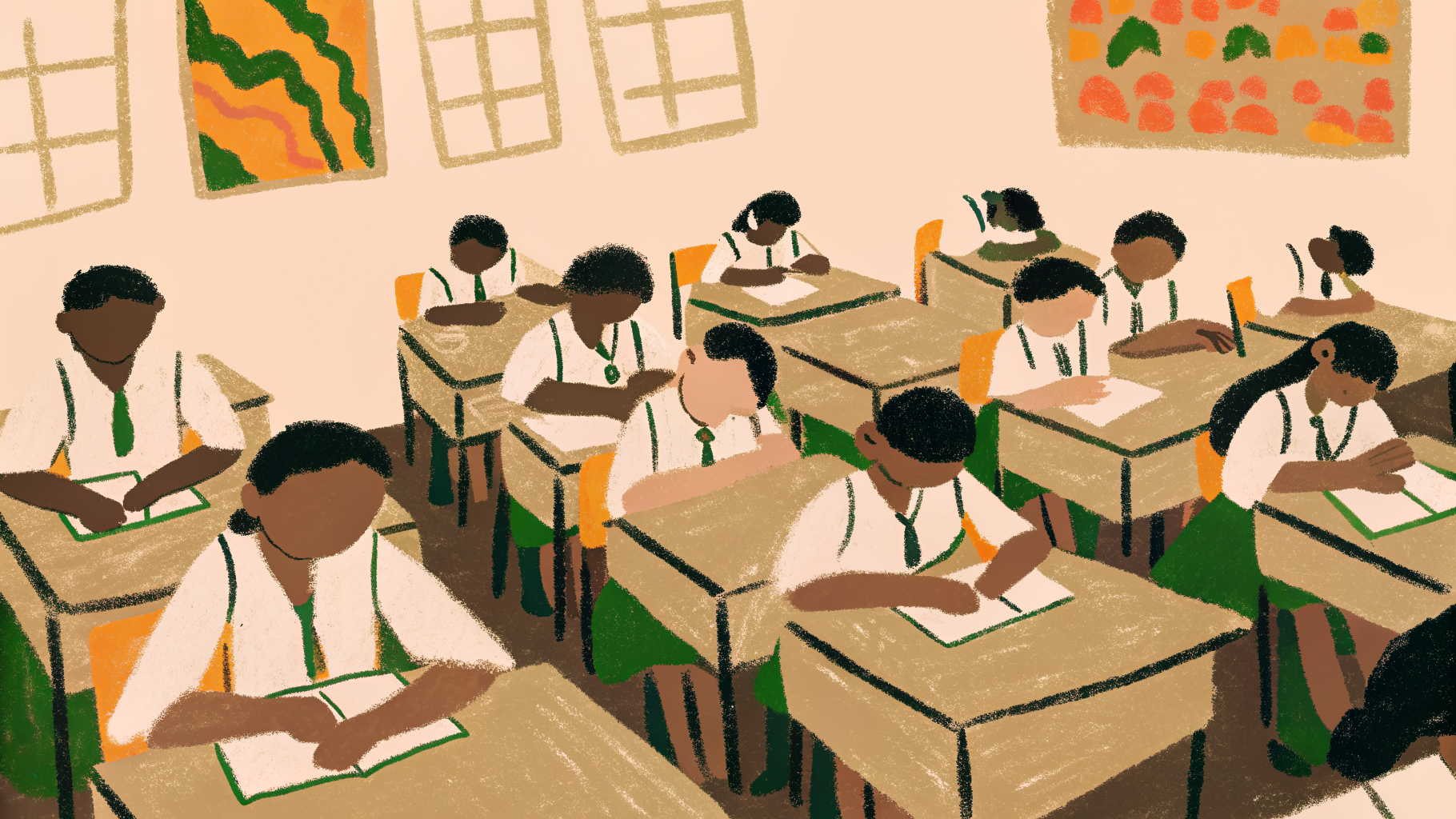
The Central Board of Secondary Education's mandatory three-language policy for Class 9 and 10 students has triggered a nationwide backlash over academic overload and perceived linguistic imposition, particularly in southern states like Tamil Nadu that resist the inclusion of Hindi. Implemented abruptly from July 2026 under the National Education Policy 2020 framework, the rule requires students to study three languages with at least two being native Indian languages, effectively excluding English from counting as a mandatory indigenous option. The Supreme Court is actively challenging the classification of English as a 'non-native' language while refusing an interim stay on the rollout, forcing a constitutional reckoning on whether English qualifies as an indigenous Indian language after centuries of usage. Parents, educators, and opposition parties argue the move is rushed and impractical due to shortages of teachers and textbooks, raising fears of serious disruption in schools. The core dispute remains whether this policy promotes genuine multilingualism or covertly advances linguistic hegemony at the expense of regional identity and student well-being.
Published 16 Jul 2026

Published 20 Jul 2026